News
The New Generation of Control Centers: Technology, People, and Real-Time Decision-Making
Control centers are undergoing an unprecedented transformation. The growing complexity of operations, the digitization of processes, and the need to respond quickly to any incident are redefining the role of these strategic spaces.
Nowadays, a control center is no longer just a place from which to oversee systems or monitor events. It has become the nerve center where data, communications, and people converge to facilitate critical decision-making in real time.
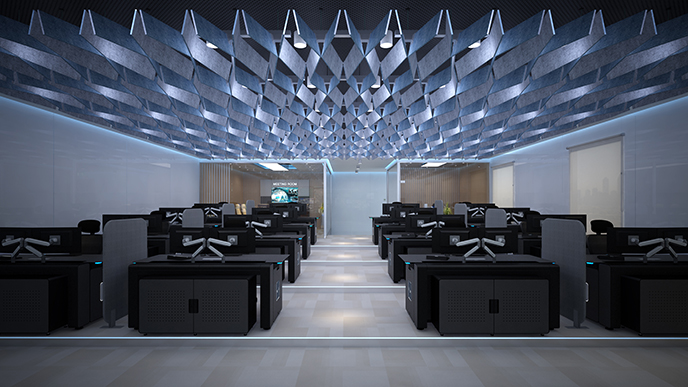
This evolution is clearly reflected in one of the most recent projects developed by Roomdimensions for the Kuwaiti Ministry of Interior, where the goal was to create an environment capable of optimizing operational management and communications in a mission-critical context.
The operator, at the heart of the design
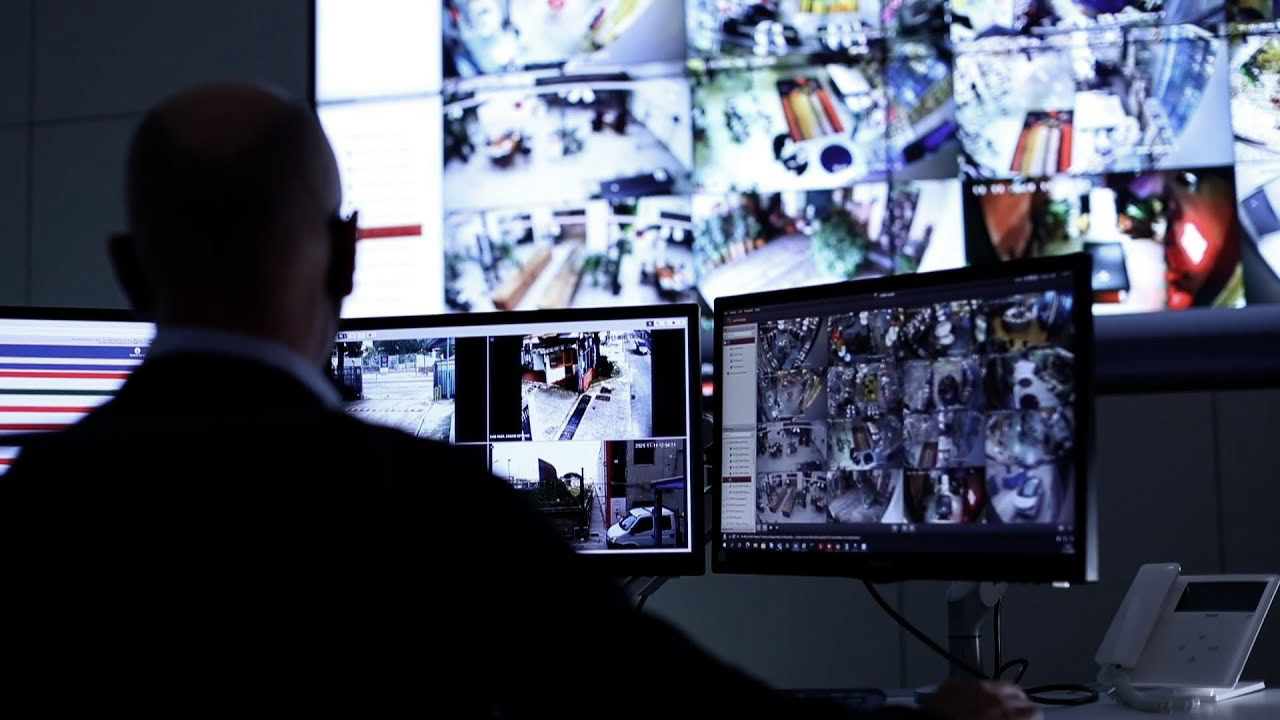
For years, much of the investment in control centers focused on incorporating new technologies. However, one of the most significant trends today is the focus on the operator’s experience.
Ergonomics, spatial layout, information visibility, lighting, and acoustic comfort are factors that directly influence team performance. A well-designed work environment helps reduce fatigue, minimize errors, and improve responsiveness in high-pressure situations.
In projects such as the one developed for Kuwait’s Ministry of Interior (MOI), this approach is particularly important. When operators manage critical communications and coordinate multiple resources in real time, the workstation ceases to be a mere piece of furniture and becomes a strategic tool that directly influences operational efficiency.
Integration and information management
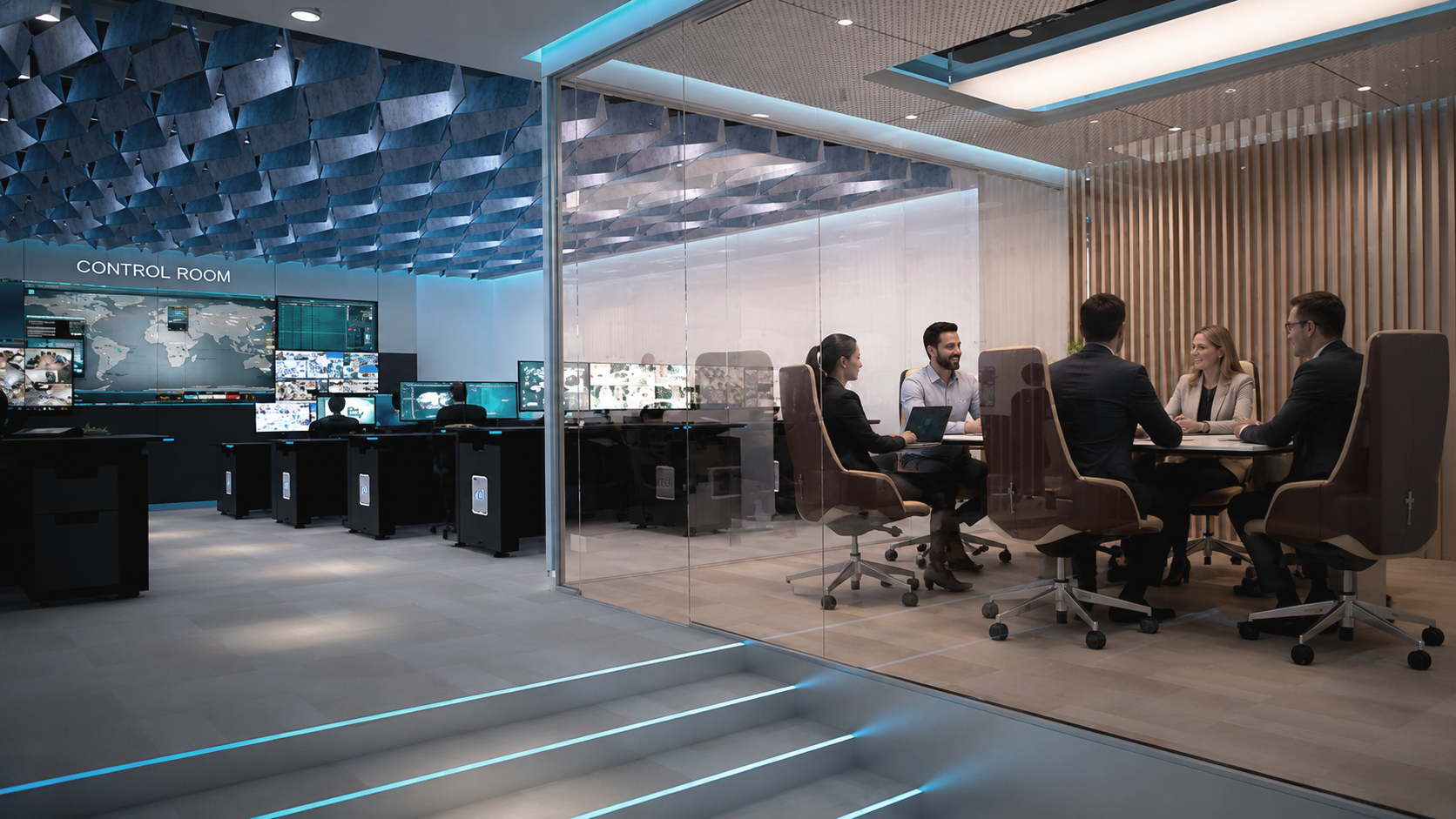
Another major trend is the integration of different systems into a single operational platform. Communications, video surveillance, incident management, security systems, and various data sources must coexist within the same environment to provide a clear and contextualized view of the situation.
The ability to access the right information at the right time improves situational awareness and speeds up decision-making, which is particularly important for organizations responsible for security and emergency response.
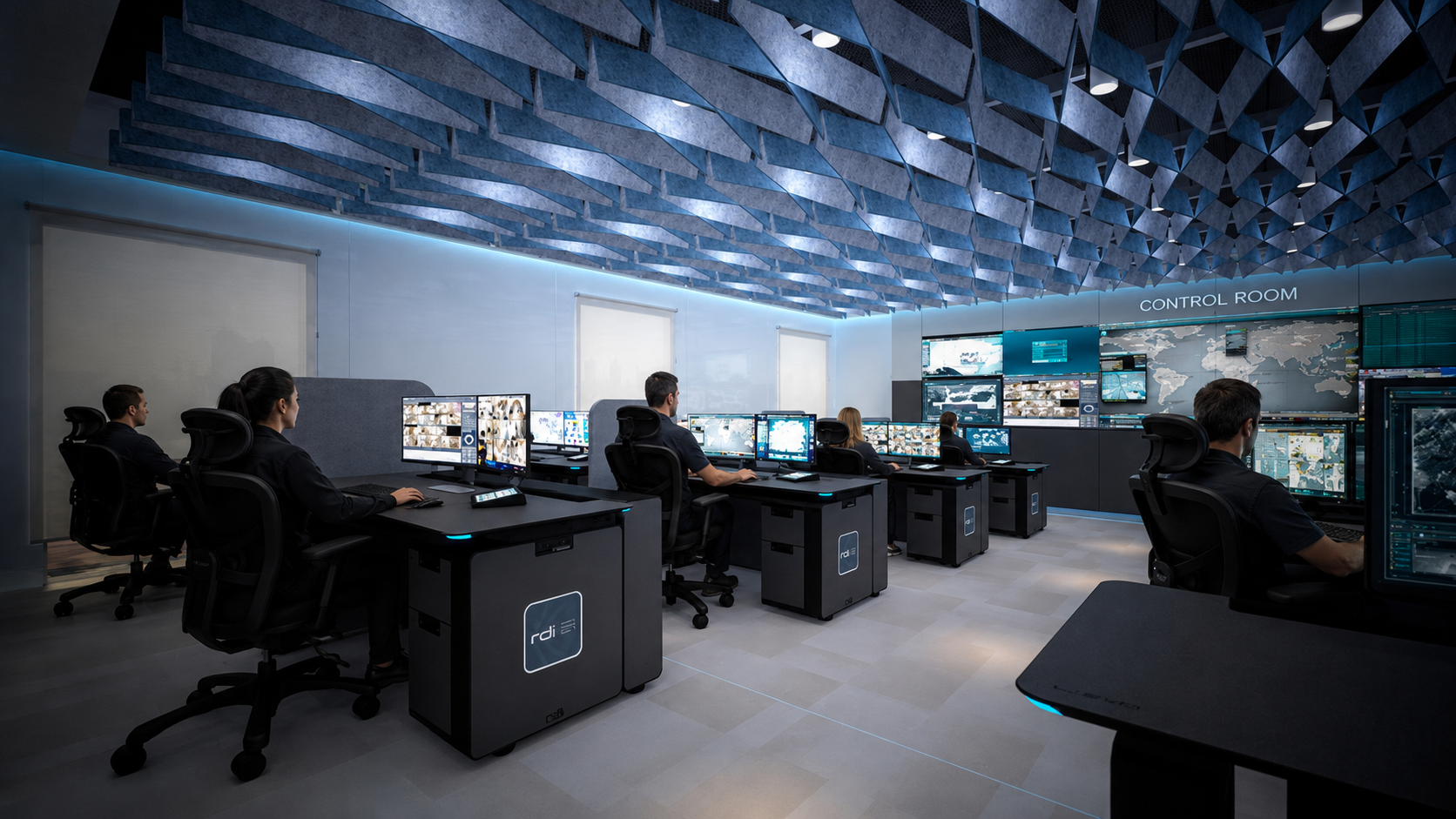
Flexibility and scalability have become essential requirements. Control Centers must be able to evolve alongside operational needs and adapt to new technologies, processes, and working models.
Our experience with international projects, such as the one developed for the Kuwaiti Ministry of Interior, confirms an increasingly evident reality:
The success of a control center does not depend only on the technology it uses, but on how that technology helps people work better, communicate more efficiently, and make decisions more quickly.